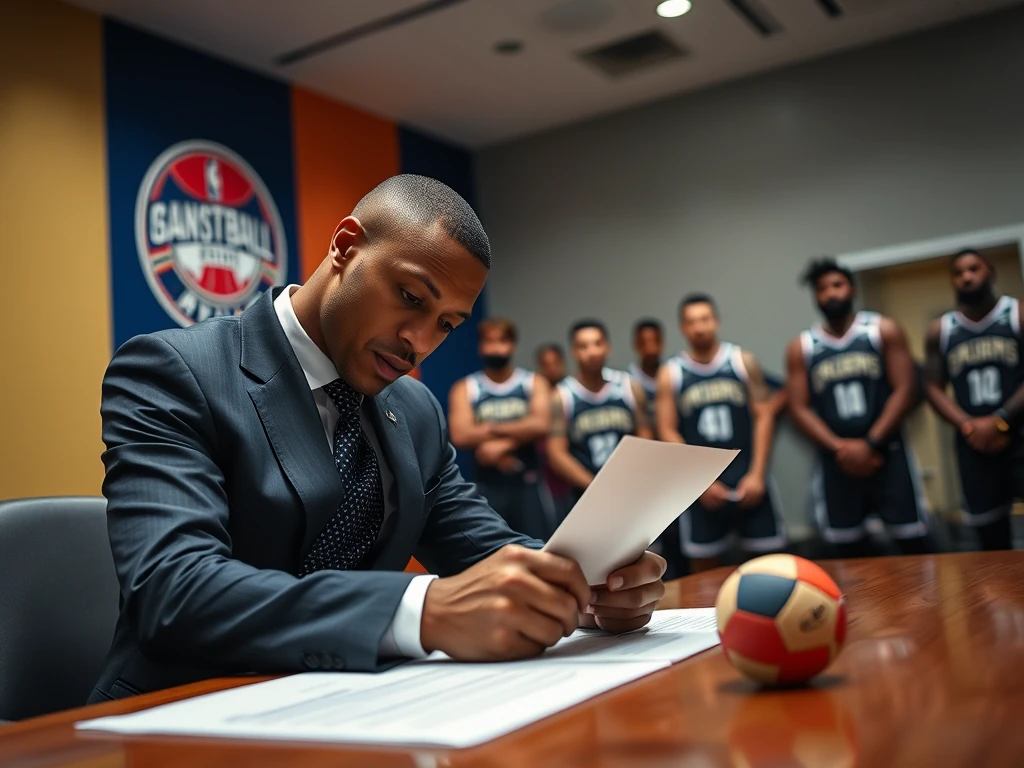
The Orlando Magic's decision to part ways with head coach Jamahl Mosley marks a pivotal moment in the team's ongoing quest for success in the NBA. After building a promising 3-1 playoff series lead against the Detroit Pistons, the Magic faltered, ultimately losing the series and sparking questions about the direction of the franchise. This unexpected turn of events underscores the high stakes in professional basketball, where expectations often exceed reality.
The Collapse: Analyzing the Series Against the Pistons
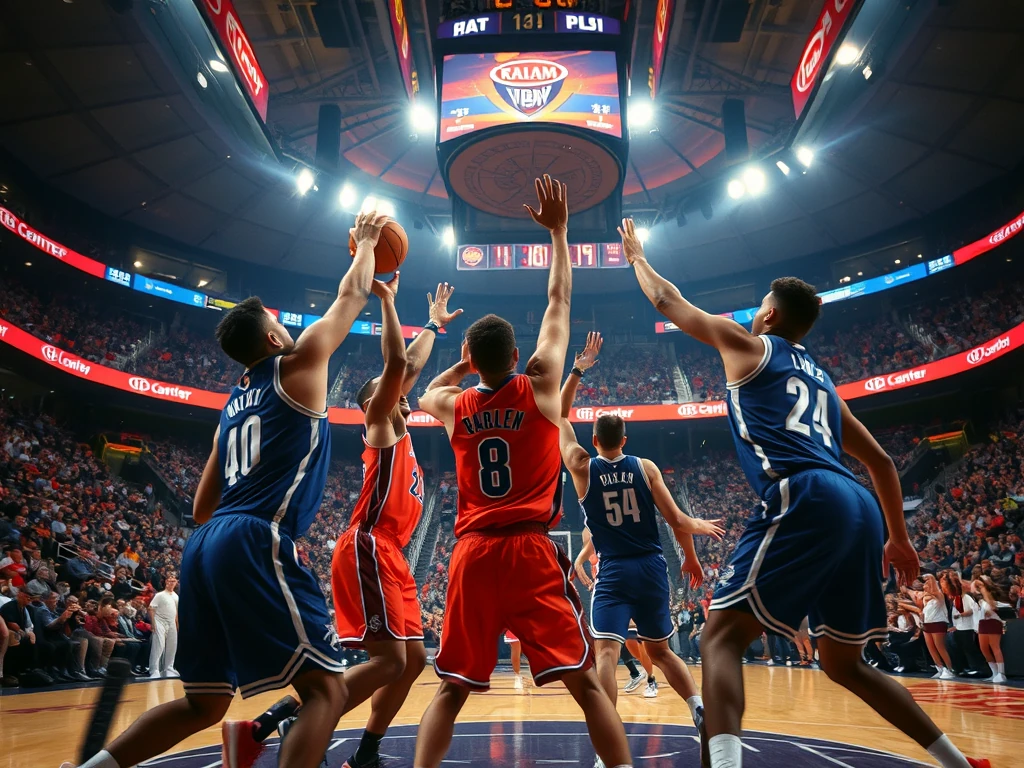
Fans and analysts alike are still reeling from how the Magic surrendered their commanding lead in the playoff series. After winning the first four games convincingly, the last three contests saw a dramatic shift in momentum. The Pistons capitalized on critical mistakes from the Magic, showcasing their resilience and ability to exploit defensive lapses.
- Game 1: Magic 112, Pistons 98 - Game 2: Magic 120, Pistons 104 - Game 3: Magic 106, Pistons 100 - Game 4: Magic 115, Pistons 95 - Game 5: Pistons 110, Magic 105 - Game 6: Pistons 115, Magic 102 - Game 7: Pistons 108, Magic 99
The Magic's inability to close out the series became a painful reality for supporters. Key players like Paolo Banchero and Franz Wagner struggled under pressure, with their shooting percentages dipping significantly in the latter games. The breakdown in offensive execution and defensive communication revealed underlying issues that went beyond just one coach's influence.
What This Means for Orlando Magic
Firing Mosley is more than just a reactionary measure to a disappointing playoff run; it's a reflection of the franchise's ambitions. Jeff Weltman, the team's President of Basketball Operations, acknowledged the coach's contributions while also emphasizing the need for a fresh perspective. The Magic are clearly aiming for a more immediate impact as they look to build on their young core, which includes standout talents like Banchero and Wagner.
- Aiming for a more dynamic offensive scheme - Potential for new coaching strategies to unlock player potential - A chance to attract high-profile coaching candidates - Opportunity for a renewed focus on player development
The Magic's management is sending a message: mediocrity isn't acceptable, especially when the team has the talent to contend for playoff success. Fans should expect the organization to pursue a coach who not only understands the nuances of the game but also knows how to harness the skills of this emerging roster.
The Impact on the Roster and Offseason Moves
With a coaching vacancy looming, the Magic's roster dynamics may shift significantly. Banchero, who averaged 20.0 points, 8.0 rebounds, and 5.0 assists during the season, will likely be a focal point for any new coach. The front office must consider how this coaching change will impact the development of their young stars.
In addition to player development, the offseason will be critical for the Magic in terms of potential trades and free agency signings. The team has a solid foundation but needs to find complementary pieces that can help elevate them to contender status.
- Considerations for offseason trades to bolster the roster - Analysis of potential free-agent targets that fit the new system - Ensuring the continuity of player development amidst coaching changes
The Wider Championship Picture
As the Magic reflect on their playoff exit, the wider landscape of the NBA presents both challenges and opportunities. The Eastern Conference is becoming increasingly competitive, with teams like the Boston Celtics, Milwaukee Bucks, and Philadelphia 76ers establishing themselves as perennial threats.
In this context, the Magic need to position themselves strategically. The right coaching decision could be the catalyst for closing the gap between themselves and these elite teams. By embracing a forward-thinking approach, Orlando can build a team capable of challenging for titles in the years to come.
Fan Reaction and Outlook
Fans of the Magic have expressed mixed feelings about Mosley's departure, ranging from disappointment to cautious optimism. Supporters respected his commitment and the foundation he built, but many felt a change was necessary to take the next step.