The Orlando Magic have experienced a mixed bag of performances recently, showcasing flashes of brilliance intertwined with moments of inconsistency. As the team seeks to solidify its identity in the competitive NBA landscape, a tactical analysis reveals several areas for adjustment that could significantly enhance their game.
Offensive Strategy: Unlocking the Perimeter
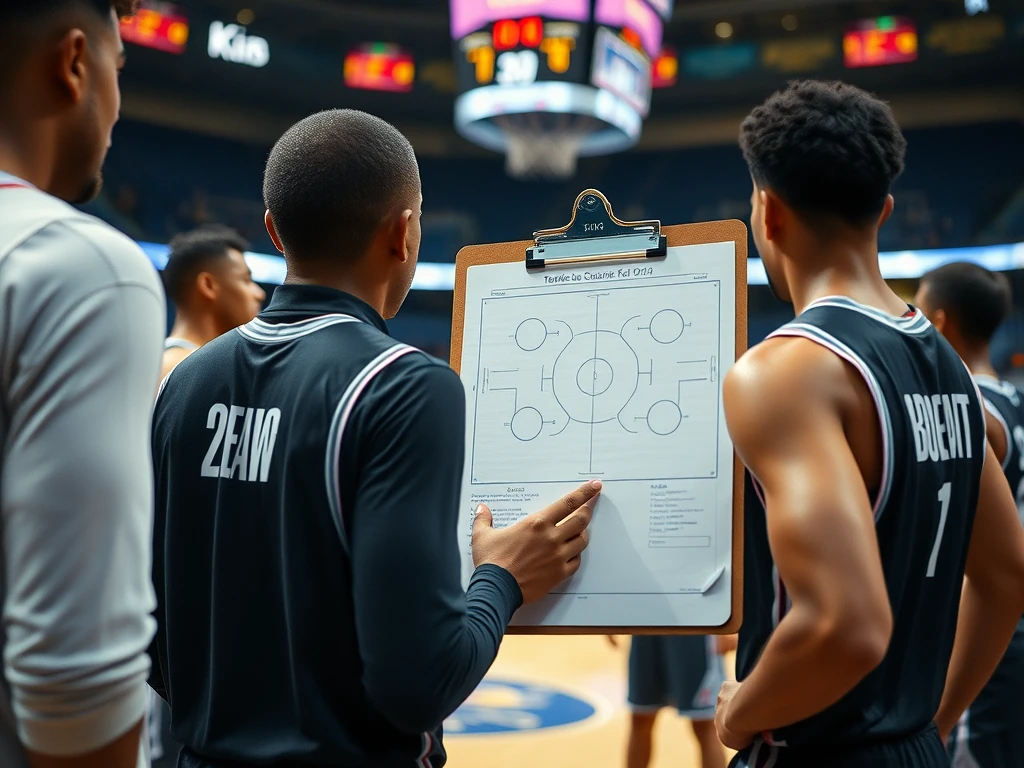
One of the most notable trends in the Magic's recent offensive play is their struggle to convert from beyond the arc. Despite having players capable of shooting the three-pointer, such as Franz Wagner and Cole Anthony, their current 3P% hovers around the league average. To address this, the coaching staff could emphasize more perimeter-oriented plays, particularly utilizing the pick and roll to create open looks. By placing emphasis on spacing and movement off the ball, the Magic can generate better shot opportunities for their shooters.
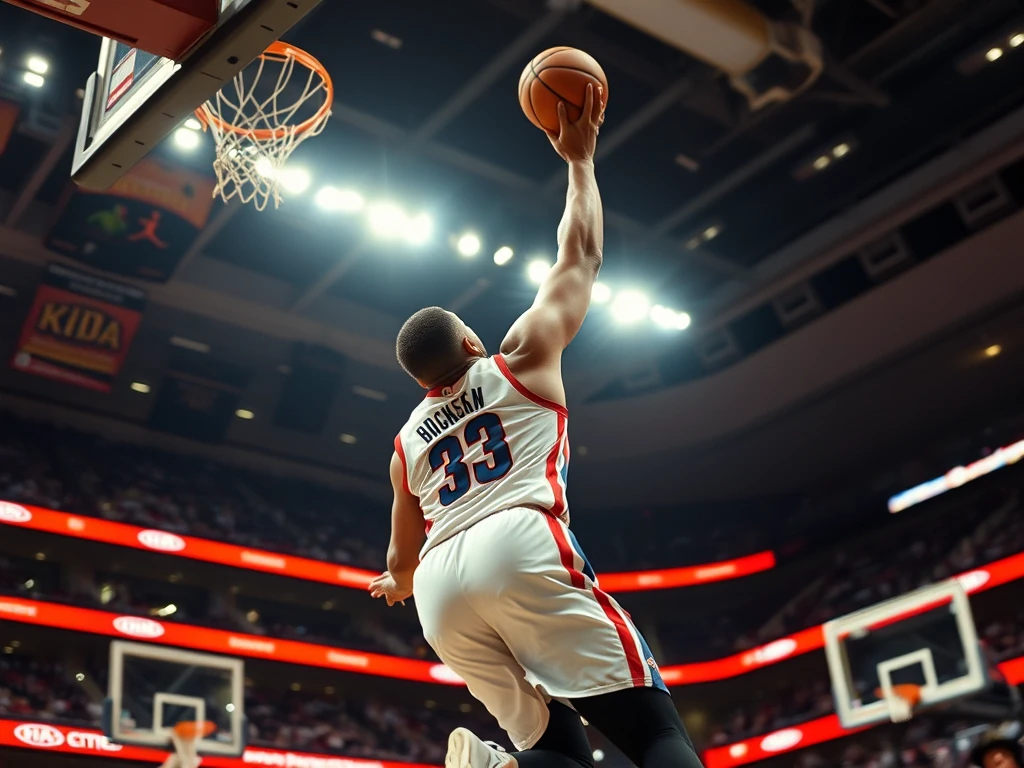
Additionally, incorporating more off-ball screens could help free up shooters, allowing them to catch and shoot in rhythm. This tactic not only stretches the defense but also opens driving lanes for slashers like Paolo Banchero, who can exploit mismatches in the paint.
Defensive Adjustments: Solidifying the Paint
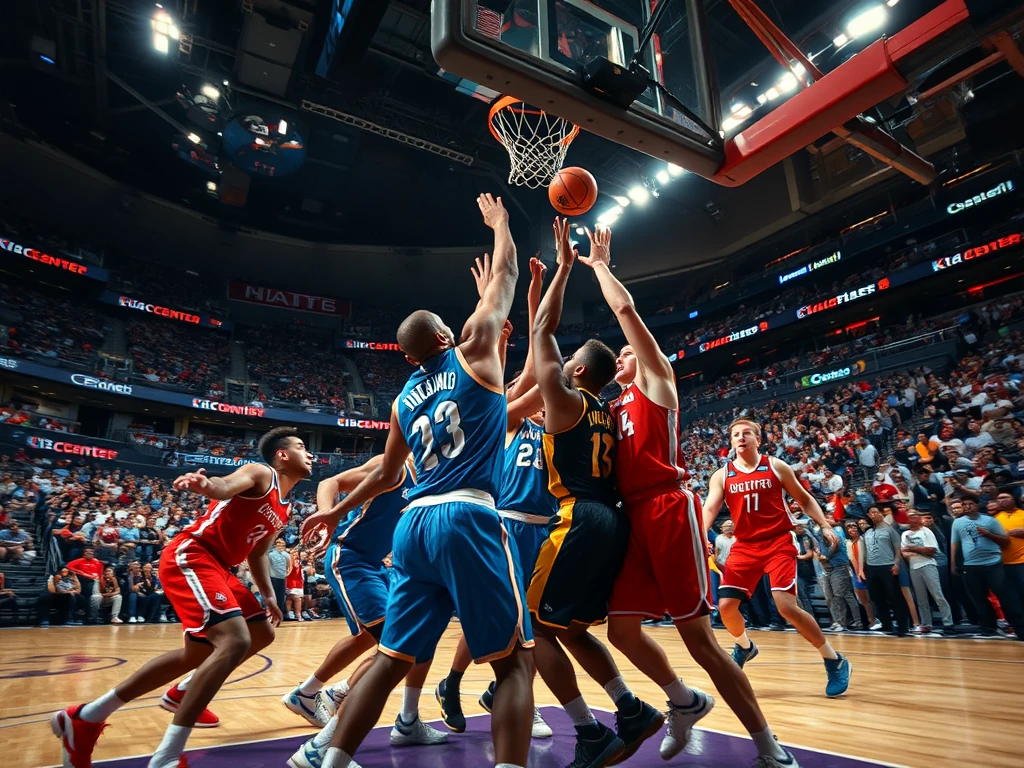
Defensively, the Magic have shown promise but often find themselves vulnerable in the paint. Opponents have been able to exploit mismatches, particularly during isolation plays. To combat this, Orlando could benefit from a more aggressive help defense strategy, ensuring that their bigs are ready to provide support on drives to the basket.
Incorporating a rotating defensive scheme could also help mitigate breakdowns. For instance, when a player drives, the closest help defender should be quick to collapse, while others are tasked with closing out on shooters. This approach not only protects the rim but also disrupts the flow of the opposing team's offensive sets.
Transition Game: Capitalizing on Fast Break Opportunities
Another area where the Magic can improve is in their transition game. The team has the athleticism to push the pace, especially with players like Jalen Suggs and Anthony, who can initiate fast breaks. However, the team’s current transition efficiency is lacking due to a tendency to slow down after defensive rebounds. By instilling a mindset to push the ball immediately after securing the rebound, the Magic can take advantage of mismatches before defenses set up.
Encouraging outlets to wings and running the floor can lead to easy buckets and quick points, a crucial aspect of modern NBA play. Moreover, having big men like Wendell Carter Jr. sprint the floor can create enticing options in transition, forcing defenses to scramble and leading to high-percentage scoring chances.
Utilizing Depth: Rotational Tweaks
The Magic have a deep roster, and leveraging this depth strategically can make a significant difference. For instance, staggering the minutes of key players allows for sustained pressure on opponents. When Banchero sits, utilizing a lineup that features both Anthony and Suggs in the backcourt could maintain offensive fluidity while allowing for defensive versatility.
Additionally, giving more minutes to players like Moe Wagner during key stretches could provide the necessary spark off the bench. His ability to stretch the floor and create mismatches in the post makes him a valuable asset, especially when paired with traditional bigs.
Conclusion
In summary, the Orlando Magic have the talent and potential to be competitive in the NBA, but tactical adjustments are necessary to elevate their performance. By focusing on enhancing their perimeter shooting, tightening their paint defense, capitalizing on transition opportunities, and effectively utilizing their roster depth, the Magic can transform their recent struggles into a more consistent and formidable presence on the court. As they continue to develop, these tweaks could be the key to unlocking their full potential.