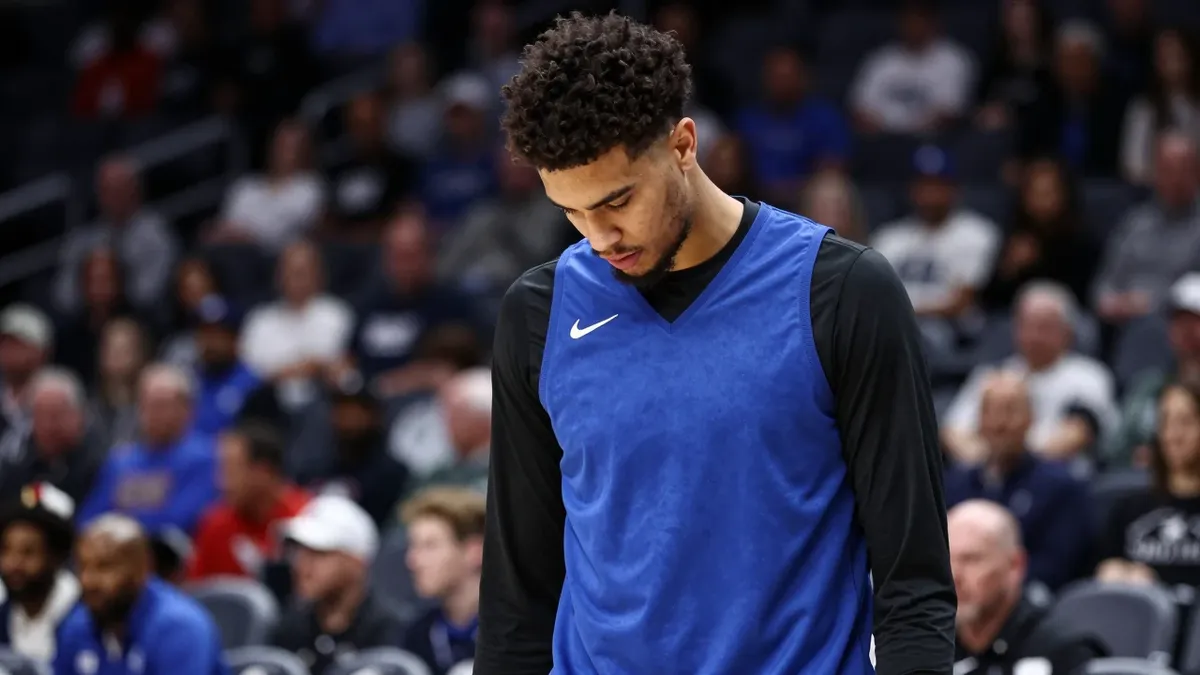
The Orlando Magic's 2025-26 campaign concluded with a 116-94 road loss to the Detroit Pistons on May 3, 2026.
What happened in the final game?
The Pistons controlled the game from the opening tip, building a double-digit lead by halftime that the Magic could never seriously challenge. Detroit's ball movement created high-percentage looks, particularly from beyond the arc, while their defense disrupted Orlando's offensive sets. The Magic's shooting percentages were a problem all night, with a low field goal percentage and an even worse three-point percentage. Key players for Orlando had quiet nights, unable to find their rhythm against a determined Pistons defense that forced turnovers and contested every shot.
Turnovers and second-chance points were major factors in the lopsided score. The Pistons capitalized on every Orlando mistake, turning live-ball turnovers into easy transition baskets. On the glass, Detroit seemed to win every 50-50 ball, securing offensive rebounds that led to extra possessions and demoralizing put-backs. The Magic's effort was there, but the execution and sharpness required to win on the road in the NBA were missing. Head coach Jamahl Mosley was left searching for answers as the lead continued to grow in the second half.
Why did the season end on a losing streak?
The final stretch of an NBA schedule is grueling, and injuries or minute restrictions for key players can disrupt a team's chemistry. Looking at the team's injuries status during that period would provide context. Furthermore, the opponents during that skid were likely teams fighting for playoff positioning or, like the Pistons, playing with pride at home. The Magic's defense, which had been a strength earlier in the year, showed cracks, allowing high point totals.
Offensive consistency vanished. The ball stopped moving as freely, leading to more isolation plays and contested jump shots. The team's assist numbers likely dropped, and the scoring burden fell too heavily on one or two players. This made them predictable and easier to defend. A lack of perimeter shooting also shrunk the floor, allowing defenses to pack the paint and challenge drives. These are issues the front office will need to address in the offseason, whether through player development, the draft, or free agency. You can review the full season's team stats for a clearer picture of these trends.
What comes next for the Orlando Magic?
The immediate focus shifts to the offseason. The draft lottery and the NBA Draft in June are the next major milestones. The Magic will assess their roster needs, which likely include more reliable three-point shooting and veteran backcourt leadership. Player development is huge. Young core players will have a full summer to work on their games, adding new dimensions to their skillsets. The coaching staff will break down film from the entire season, identifying systemic weaknesses to correct before training camp.
Free agency and potential trades will be topics of speculation. The front office, led by President of Basketball Operations Jeff Weltman, has decisions to make about the current roster construction. The goal is clear: build a team that can not only reach the playoffs but advance. The experience of this season, both its highs and the disappointing finish, should serve as motivation. The schedule for the 2026-27 season will be released later in the summer, and fans can then look ahead on the team's schedule page. For now, the work begins off the court to ensure the next season ends differently.